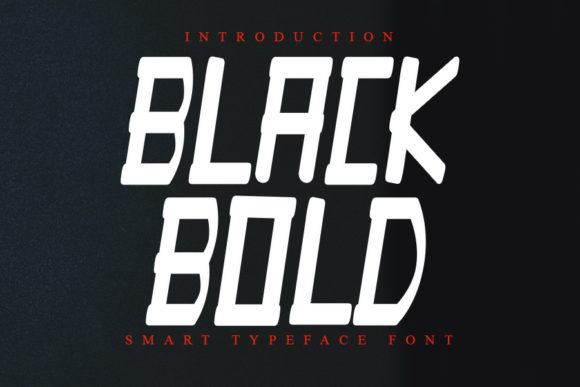
Black Bold: Why This Sharp Display Font Deserves a Closer Look
When you are designing something that needs to grab attention instantly, the difference between a good layout and a great one often comes down to typography. Black Bold is not just another generic sans-serif; it is a simple, sharp-looking display font designed to inspire your work. Its clean lines and heavy weight make it an excellent choice for headlines, posters, and digital interfaces where clarity meets impact. However, simply downloading a font and slapping it on a design does not guarantee success. There are nuances in how you apply this typeface that can elevate your project or, if mishandled, ruin its professional appeal.
Understanding the Aesthetic of Black Bold
The primary allure of Black Bold lies in its minimalism. In a world saturated with complex textures and decorative elements, there is a growing trend toward stark, high-contrast visuals. This font embodies that shift. It is straightforward, unapologetic, and highly legible at large sizes. For entrepreneurs, marketers, and creators, this means your message takes center stage without distraction.
However, "simple" does not mean "easy to use effectively." Many beginners assume that because the font is basic, it requires little thought. The opposite is true. Because Black Bold has such a strong presence, every other element in your design must support it rather than compete with it. If you pair it with cluttered backgrounds or overly ornate secondary fonts, the harmony breaks, and the design feels chaotic rather than bold.
Common Mistakes When Using Heavy Display Fonts
One of the most frequent errors designers make with fonts like Black Bold is overusing them. It is tempting to set every headline, subhead, and even body text in a heavy weight because it looks "strong." But heavy fonts are exhausting to read in long passages. They lack the subtle variations in stroke width that guide the eye smoothly through paragraphs of text. Using Black Bold for body copy will cause reader fatigue and reduce comprehension. Reserve this font for titles, quotes, or short calls to action where brevity is key.
Another critical oversight is ignoring whitespace. Because Black Bold commands so much visual space, it needs room to breathe. Crowding the letters together (tight tracking) or placing them too close to the edges of a container can make the design feel cramped and aggressive. Proper kerning and generous padding around the text allow the sharp angles of the font to shine without feeling oppressive.
- Over-saturation: Using the font for more than 10–15% of your total text content.
- Poor pairing: Combining it with other thick, busy fonts instead of light, neutral sans-serifs or serifs.
- Neglecting hierarchy: Failing to create clear size differences between the Black Bold headers and supporting text.
Choosing the Right Application for Your Brand
Before you commit to using Black Bold in a major campaign or website redesign, consider your brand voice. Is it modern, direct, and confident? Then this font aligns well. Is it whimsical, traditional, or soft? You might find that Black Bold clashes with your established identity. While versatility is a strength, forcing a square peg into a round hole can confuse your audience.
For small business owners and freelancers, this font is particularly effective in logo design and social media graphics. Its simplicity ensures that it remains recognizable even when scaled down to a favicon or viewed on a small mobile screen. Unlike intricate script fonts that lose detail at small sizes, Black Bold maintains its integrity. This makes it a practical choice for responsive web design, where readability across devices is paramount.
Evaluating Quality and Licensing
Not all fonts named "Black Bold" are created equal. When searching for resources, you may encounter various versions from different foundries. Some are optimized for print, while others are hinted specifically for screen rendering. Checking the technical specifications before buying or downloading is crucial. Look for information on character sets—do you need special symbols or multilingual support? Also, verify the licensing terms. Using a font intended for personal use in a commercial project can lead to legal issues and unexpected costs.
Take the time to preview the font in context. Most reputable font providers offer live previews. Test the font with your actual tagline or product name, not just random sample text. See how the capital 'A' interacts with the lowercase 'g'. Notice the sharpness of the corners. Does it feel too harsh for your industry? These small details contribute significantly to the overall perception of quality.
Best Practices for Implementation
To get the most out of Black Bold, adopt a disciplined approach to your typographic scale. Use it sparingly but powerfully. Here are some practical strategies to enhance your designs:
- Create Contrast: Pair Black Bold with a lighter, thinner font for body text. This contrast creates visual interest and guides the reader’s eye naturally from the headline to the details.
- Leverage Color: Since the font is monochromatic in structure, use color strategically. A white Black Bold text on a dark background creates a sleek, modern look. Alternatively, a bright accent color against a neutral backdrop can make the bold letters pop.
- Maintain Alignment: Heavy fonts can look uneven if not aligned properly. Stick to strict grid systems. Left-aligned or centered alignments usually work best for display typography. Avoid justified text, which can create awkward gaps in bold weights.
- Test for Accessibility: Ensure sufficient contrast ratios between your text and background. Even bold text can be hard to read if the colors are too similar. Tools like contrast checkers can help you verify compliance with accessibility standards.
Real-World Examples of Effective Use
Consider a fitness app interface. The main call-to-action button could feature "START WORKOUT" in Black Bold. The instruction below it would be in a regular weight sans-serif. This tells the user exactly what to do without overwhelming them. Or think about a blog post header. A topic like "Minimalist Living" set in Black Bold conveys stability and clarity, reinforcing the article's theme. In both cases, the font supports the content rather than distracting from it.
For educators and bloggers, using Black Bold for pull quotes or key takeaways helps emphasize important concepts. Students or readers skimming the content will immediately spot these highlighted sections, improving information retention. This is a simple yet powerful way to enhance usability.
Final Thoughts on Making the Right Choice
Selecting a font is a significant decision that affects the tone, readability, and professionalism of your work. Black Bold offers a compelling option for those seeking a clean, impactful aesthetic. By avoiding common pitfalls like overuse and poor pairing, and by paying attention to technical details like licensing and screen optimization, you can harness its full potential.
Remember, the goal is not just to use a trendy font, but to communicate effectively. Take the time to experiment, test different pairings, and gather feedback. When used thoughtfully, Black Bold can transform ordinary designs into striking visual statements that resonate with your audience. Explore its possibilities, but always keep the user experience at the forefront of your creative process.