Exton: Elevating Digital Designs with Futuristic Typography
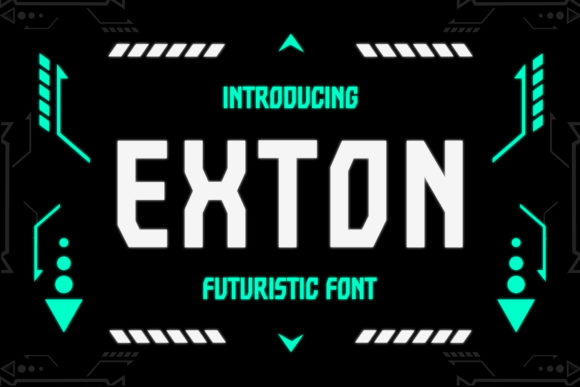
In the rapidly evolving landscape of digital design, typography serves as more than just a vehicle for text; it is a primary tool for establishing mood, guiding user attention, and communicating brand identity. Among the growing array of display fonts available to designers today, Exton has emerged as a distinctive choice for those seeking to infuse their projects with a sense of advanced technology and structural precision. Characterized by its sharp angles and futuristic aesthetic, Exton offers a robot-like style that can transform ordinary layouts into compelling visual experiences.
For professionals tasked with creating interfaces, posters, or branding materials, the challenge often lies in selecting a typeface that stands out without sacrificing readability or professionalism. This article explores how Exton addresses these needs, offering practical insights into its application, potential use cases, and the strategic considerations necessary to implement it effectively in your next project.
Understanding the Aesthetic of Exton
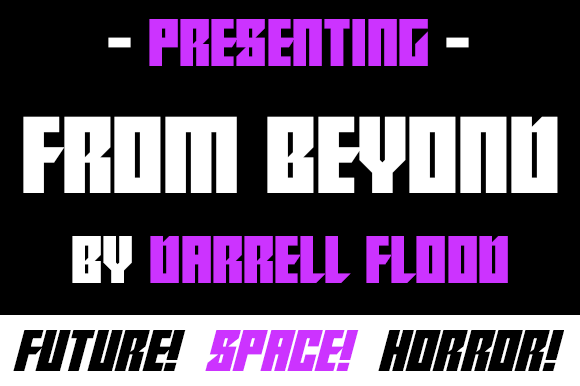
To leverage Exton effectively, one must first understand its core visual characteristics. As a display font, Exton is designed to be seen rather than read in long passages. Its defining feature is its angular geometry. Unlike traditional serif or sans-serif fonts that rely on curves and organic flow, Exton embraces straight lines, acute angles, and segmented structures. This gives the letters a mechanical, almost cybernetic appearance.
The "robot-like" quality of Exton is not merely decorative; it conveys specific associations. When a viewer encounters this font, they subconsciously register themes of innovation, engineering, science fiction, and high-tech efficiency. The sharpness of the characters suggests precision and accuracy, qualities that are highly valued in industries ranging from software development to aerospace. By choosing Exton, designers signal that their content is modern, forward-thinking, and technically sophisticated.
Identifying Design Challenges and Solutions
Designers frequently face the challenge of differentiating their work in a saturated market. Many brands struggle to convey a sense of cutting-edge technology without resorting to clichés like neon colors or generic circuit board patterns. While imagery can support a theme, typography provides a foundational layer of communication that works even before the user engages with the rest of the design.
This is where Exton proves its utility. It allows designers to embed the concept of "future-ready" directly into the text itself. For instance, a tech startup launching an AI-driven product might find that standard sans-serif fonts feel too safe or overused. Exton provides an alternative that immediately sets the tone. It solves the problem of blandness by introducing visual tension and interest through its geometric construction. However, this strength also presents a challenge: because Exton is so visually dominant, it requires careful handling to avoid overwhelming the user interface.
Practical Applications and Use Cases
The versatility of Exton lies in its ability to adapt to various contexts while maintaining its distinct character. Below are several practical scenarios where Exton can significantly enhance a design’s impact.
- Brand Identity for Tech Companies: For startups in the fields of robotics, cybersecurity, or blockchain, Exton can serve as a primary logo font or a key element in the brand guidelines. Its angular nature suggests reliability and structural integrity, which are crucial traits for companies handling sensitive data or complex machinery.
- Gaming and Entertainment: The gaming industry constantly seeks fonts that evoke immersion and excitement. Exton’s futuristic style makes it ideal for game titles, HUD (Heads-Up Display) elements, and promotional materials for sci-fi genres. It helps establish the setting and atmosphere instantly.
- Event Posters and Flyers: For hackathons, tech conferences, or electronic music festivals, Exton adds a dynamic energy to print and digital media. Its sharp edges cut through visual noise, drawing the eye to essential information like dates, locations, and speaker names.
- User Interface Headers: While body text should remain readable, headers and navigation menus can benefit from Exton’s bold presence. Using it for section titles in a dashboard or app can create a clear hierarchy and reinforce the technological context of the application.
Strategic Implementation and Best Practices
While Exton is a powerful tool, its effectiveness depends on how it is implemented. Because it is a display font, it is not suitable for long-form body copy. Attempting to read paragraphs set in Exton can cause eye strain due to the lack of curvilinear forms that guide the eye smoothly across lines. Therefore, the golden rule of using Exton is balance.
Pairing with Neutral Fonts: To maximize readability, pair Exton with a clean, neutral sans-serif font for body text. Fonts like Roboto, Open Sans, or Helvetica provide a calm backdrop that allows Exton to shine as a headline accent without competing for attention. This contrast creates a professional look where each typeface plays to its strengths.
Moderation is Key: Overusing Exton can lead to a design that feels aggressive or cold. Reserve it for headlines, logos, buttons, and short phrases. Let the negative space around the angular letters breathe; the gaps between the segments of the letters are part of the design, so crowding them can make the text illegible.
Color and Context: The color palette you choose will further influence how Exton is perceived. Metallic grays, electric blues, and stark blacks complement its robotic aesthetic. Conversely, using warm colors like orange or yellow can create a striking contrast, suggesting energy and urgency. Consider the emotional response you want to elicit and adjust your color scheme accordingly.
Considerations for Different User Groups
Different users approach typography with varying goals. Graphic designers may focus on the artistic expression and uniqueness that Exton brings to a composition. In contrast, web developers and UX designers must prioritize accessibility and load times. Ensure that the font files are optimized for web delivery to prevent slowing down page loads. Additionally, consider how Exton renders on different screen sizes. Its thin strokes and small gaps may disappear or blur on low-resolution mobile screens, so test the font thoroughly across devices.
Marketing professionals, on the other hand, might be concerned with brand consistency. They need to ensure that Exton aligns with the broader brand voice. If a brand aims to be friendly and approachable, Exton might be too harsh. However, if the brand positions itself as authoritative, innovative, and precise, Exton becomes a strategic asset.
Conclusion
Exton represents more than just a stylistic choice; it is a strategic decision that communicates specific values about technology, precision, and futurism. By understanding its angular, robot-like aesthetic and applying it with restraint and intention, designers can create impactful visuals that resonate with modern audiences. Whether you are branding a new tech product, designing a gaming interface, or updating a corporate website, exploring the endless possibilities of Exton can add a layer of sophistication and distinction to your work. Embrace its sharp edges and let it help you build designs that are not only seen but remembered.