The Cattalina: A Quirky Handwritten Font for Distinctive Projects
In the vast landscape of digital typography, finding a typeface that balances personality with readability can be challenging. The Cattalina has emerged as a notable option for designers and content creators seeking a handwritten aesthetic without sacrificing legibility. This font is characterized by its cute, slightly quirky nature, making it a versatile tool for various design contexts. Whether you are designing a wedding invitation, a children's book, or a casual blog post, understanding the specific attributes of The Cattalina is essential before integrating it into your workflow.
Understanding the Design Philosophy
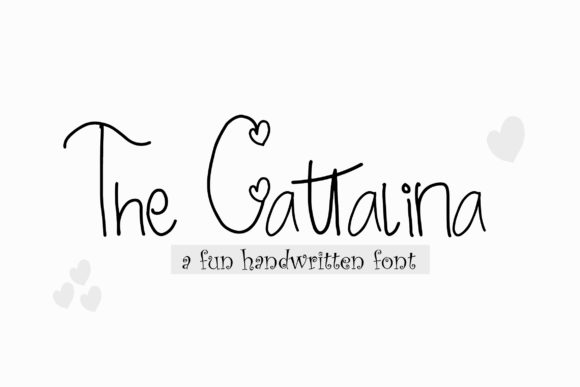
The Cattalina is not merely a standard sans-serif or serif typeface; it belongs to the category of script and handwriting fonts. Its primary appeal lies in its ability to mimic the natural flow of ink on paper while maintaining a structured form. The "cute" descriptor often associated with this font refers to its rounded terminals, soft edges, and consistent stroke weight that avoids harsh angles. This creates an approachable and friendly visual tone.
The "quirky" aspect comes from subtle irregularities in the letterforms. Unlike rigid geometric scripts, The Cattalina includes slight variations in slant and spacing that prevent the text from looking machine-generated. These nuances give the impression of a human hand writing the words, which adds a layer of authenticity and warmth to the content. For users evaluating this font, it is important to recognize that this style is distinct from formal calligraphy or strict cursive styles.
Why Choose The Cattalina?
When selecting a typeface, the decision is often driven by the emotional response the text should evoke. The Cattalina excels in scenarios where the goal is to establish a connection through a personal touch. Below are several reasons why this font might be included in a shortlist:
- Approachable Branding: Brands aiming to appear friendly, creative, or community-focused often find success with this font. It softens corporate messaging without losing clarity.
- Nostalgic Appeal: The handwritten style evokes memories of school notebooks, greeting cards, and personal letters, triggering a sense of nostalgia in the viewer.
- Visual Variety: Because of its unique character set, it stands out significantly against standard body text fonts like Arial or Roboto, allowing for effective contrast in layouts.
- Accessibility in Specific Contexts: While decorative, the high legibility of the individual characters makes it suitable for short headlines and titles where readability is paramount.
Evaluating Benefits and Tradeoffs
No single typeface is perfect for every situation. When considering The Cattalina, designers must weigh its strengths against potential limitations. A balanced evaluation helps ensure the font serves the project's functional requirements rather than just its aesthetic ones.
The primary benefit of using The Cattalina is its immediate ability to convey tone. In a sea of clean, minimalist designs, a handwritten element can act as a focal point, drawing the eye to key information such as headings, pull quotes, or call-to-action buttons. It allows for a level of customization that feels organic, reducing the sterile feel often associated with digital interfaces.
However, there are tradeoffs to consider. The most significant limitation is legibility at small sizes or in long-form body copy. The quirks that make the font charming can become distracting when reading dense paragraphs. Furthermore, because the style is so specific, it may clash with other design elements that require a more neutral or professional appearance. Overusing a distinctive font can lead to visual fatigue, where the novelty wears off and the text becomes difficult to process.
Situations Where The Cattalina Is a Strong Fit
To determine if this font aligns with your goals, consider the following use cases where it typically performs best:
- Event Invitations: Weddings, birthday parties, and casual gatherings often benefit from the personal feel of a handwritten script. The Cattalina provides an elegant yet informal look that suits these occasions perfectly.
- Children's Content: Educational materials, storybooks, and toys designed for young audiences often utilize cute, rounded fonts. The playful nature of The Cattalina supports engagement and learning environments.
- Personal Blogs and Portfolios: Creative professionals who want to showcase their personality may use this font for headers or signature lines to reinforce their unique brand identity.
- Seasonal Marketing: Holiday campaigns or limited-time offers often rely on festive aesthetics. The font's whimsical quality fits well with seasonal themes like Christmas or summer sales.
When Alternatives May Be Worth Considering
While The Cattalina is a strong candidate for many projects, it is not the universal solution. There are scenarios where a different typeface would better serve the user experience and the communication goals.
If the project requires a serious, authoritative, or highly technical tone, The Cattalina may undermine the message. Legal documents, financial reports, and medical publications generally demand neutrality and clarity over personality. In these cases, a traditional serif or a clean sans-serif font is a safer choice to maintain credibility.
Additionally, international projects should be evaluated carefully. If the target audience speaks languages other than English, the availability of extended character sets (such as accented characters) in The Cattalina must be verified. Some handwritten fonts lack support for complex diacritics, which can result in missing glyphs or broken text rendering.
Finally, consider the medium. On mobile devices with smaller screens, the intricate details of a handwritten font can sometimes blur or become illegible. If the primary consumption method is mobile-first, testing the font at various screen resolutions is crucial. If the details do not hold up, a simpler, bolder alternative might be necessary.
Practical Decision-Making Insights
Selecting the right font is a strategic decision that impacts both the look and the usability of a design. To decide whether The Cattalina is the right fit, follow these practical steps:
Test for Readability: Create a sample layout using your actual content. Set the font size to the intended final dimensions and ask yourself if the text flows naturally. If you find yourself squinting or stumbling over the letterforms, the font may be too stylized for the task.
Analyze the Audience: Who will be viewing this content? Does the demographic appreciate creativity and informality, or do they prioritize efficiency and tradition? Aligning the font choice with audience expectations ensures the message is received as intended.
Pairing Strategy: One of the most effective ways to use The Cattalina is to pair it with a neutral font. Use The Cattalina for headings to inject personality, and pair it with a simple sans-serif for body text to ensure readability. This combination leverages the strengths of both styles while mitigating their weaknesses.
Consider Longevity: Trends in typography change rapidly. While a quirky font may feel trendy now, will it still look appropriate in five years? Fonts with a classic handwritten structure tend to age better than those with extreme stylistic flourishes.
Conclusion
The Cattalina offers a delightful blend of cuteness and quirkiness that makes it a valuable asset for designers looking to add a human touch to their work. Its ability to convey warmth and personality makes it ideal for invitations, children's media, and personal branding. However, its specific aesthetic requires careful consideration regarding context, audience, and medium.
By objectively evaluating the benefits against the tradeoffs, designers can make informed decisions about whether this font aligns with their specific needs. When used thoughtfully and paired correctly, The Cattalina can elevate a design from generic to memorable, creating a lasting impression on the viewer.