Why Wood Beam Is the Go-To Font for Authentic, Handcrafted Design Projects
In a digital landscape saturated with sleek, minimalist sans-serifs and overly polished geometric typefaces, there is a growing appetite for authenticity. People are tired of the sterile look that plagues so much modern web design and corporate branding. They want texture. They want warmth. They want to feel like a human being created the content, not an algorithm. This is where Wood Beam steps in as a powerful tool for designers, crafters, and content creators who need to inject personality and rustic charm into their work.
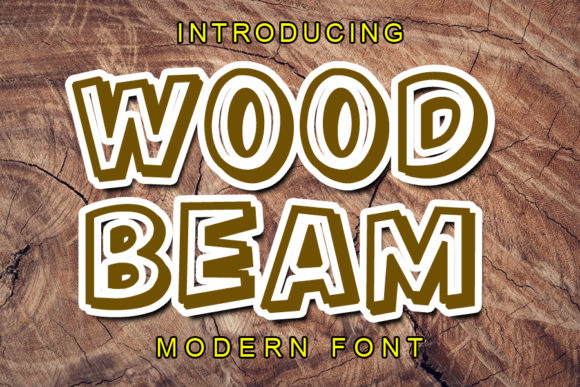
Wood Beam is more than just a font; it is a statement piece. Characterized by its simple, thick lettering and authentic display style, it mimics the look of hand-carved signage or vintage woodblock printing. Whether you are designing a greeting card, putting together a presentation, or crafting a logo for a local bakery, this typeface offers a distinct visual weight that commands attention without shouting. It bridges the gap between professional typography and artisanal craftsmanship, making it incredibly versatile across various mediums.
The Visual Identity of Wood Beam
To understand why Wood Beam is so effective, we first need to look at what makes it tick visually. The font is defined by its substantial thickness. Each letter is bold, heavy, and unapologetic. This isn’t a subtle serif or a delicate script; it is a blocky, sturdy typeface that relies on negative space and strong vertical lines to create its shape. The "simple" aspect of its design is key here. By stripping away unnecessary flourishes, serifs, and complex ligatures, Wood Beam remains legible even at small sizes or when scaled up for large banners.
The "authentic display" nature of the font suggests a slight irregularity or roughness in the edges, reminiscent of ink stamped onto porous paper or carved into timber. This imperfection is intentional. In design theory, perfect symmetry can often feel cold and artificial. By introducing a slight ruggedness, Wood Beam feels grounded, earthy, and trustworthy. It evokes feelings of nostalgia, tradition, and reliability—qualities that are highly desirable in brands that want to appear established and genuine.
Key Characteristics That Drive Its Appeal
- High Legibility: Despite its decorative nature, the thick strokes ensure that words are easy to read quickly, which is crucial for headlines and signage.
- Versatile Weight: The uniform thickness allows it to stand alone as a primary font or complement lighter body text effectively.
- Rustic Aesthetic: It naturally pairs well with textures like burlap, kraft paper, stone, and wood grain backgrounds.
- Emotional Resonance: It triggers associations with handmade goods, farm-to-table products, and heritage crafts.
Practical Applications Across Industries
One of the strongest arguments for using Wood Beam is its adaptability. While it might seem niche, its application spans several industries that rely heavily on visual storytelling. Let’s explore how different professionals are leveraging this font in their daily workflows.
Crafting and DIY Enthusiasts
If you spend time on platforms like Etsy, Pinterest, or Instagram, you’ve likely seen Wood Beam in action. It is a staple for independent makers selling physical goods. Imagine a label for a jar of homemade jam, a tag on a knitted scarf, or a watermark on a photography portfolio. Wood Beam adds an immediate layer of professionalism that says, "I made this with care."
Crafters use cutting machines like Cricut or Silhouette to cut vinyl or cardstock using this font. Because the letters are thick and simple, they are less prone to breaking during the weeding process (removing excess material) compared to thin, intricate scripts. This practical benefit makes it a favorite among hobbyists who want clean results without frustration.
Digital Design and Branding
For graphic designers, Wood Beam serves as an excellent display font for logos, headers, and social media graphics. It works particularly well for brands in the following sectors:
- Hospitality: Coffee shops, breweries, and boutique hotels often use Wood Beam to convey a cozy, inviting atmosphere.
- Food and Beverage: Restaurants focusing on organic, local, or comfort food find the font aligns perfectly with their menu aesthetics.
- Lifestyle and Wellness: Yoga studios, spas, and wellness coaches use it to project stability and natural living.
When designing a brand identity, consistency is key. Wood Beam can be paired with clean sans-serifs for body text to create a balanced hierarchy. The contrast between the heavy, rustic header and the light, modern body copy creates a dynamic visual rhythm that keeps the viewer engaged.
Presentations and Print Media
Who says presentations have to be boring? Using Wood Beam for slide titles can instantly break the monotony of standard corporate templates. It grabs the audience's attention and sets a specific tone before a single word is spoken. For printed materials like flyers, posters, and invitations, the font’s thickness ensures it stands out even from a distance. Greeting cards, especially those for birthdays, weddings, or holidays, benefit greatly from the personal touch Wood Beam provides.
How to Use Wood Beam Effectively
While Wood Beam is powerful, it requires strategic placement to avoid overwhelming the viewer. Here are some best practices for incorporating it into your projects.
Pairing with Complementary Fonts
Because Wood Beam is so dominant, it should rarely be used for long paragraphs of text. Instead, pair it with fonts that offer high readability and contrast. Good partners include:
- Classic Serifs: Fonts like Garamond or Baskerville add a touch of elegance that balances the ruggedness of Wood Beam.
- Modern Sans-Serifs: Clean fonts like Helvetica or Montserrat provide a contemporary counterpoint, preventing the design from looking too old-fashioned.
- Handwritten Scripts: For a softer, more feminine touch, a delicate script can sit nicely beneath a bold Wood Beam headline, creating a lovely interplay between strength and grace.
Color and Texture Considerations
The effectiveness of Wood Beam is often amplified by the colors and textures surrounding it. Earth tones—such as deep greens, burnt oranges, browns, and creams—are natural companions. However, don’t be afraid to experiment. A stark white background with black Wood Beam text creates a striking, modern-rustic look. Conversely, placing the font over a textured background like recycled paper or wood grain enhances its authentic feel.
Consider the medium. If you are printing on glossy paper, the thick strokes will pop beautifully. If you are designing for screens, ensure the resolution is high enough so that the "rough" edges of the letters remain crisp and don’t pixelate.
Common Pitfalls to Avoid
Even the best tools can be misused. When working with Wood Beam, keep these common mistakes in mind:
Overuse: Using Wood Beam for entire sentences or long blocks of text will make your design difficult to read and visually exhausting. Reserve it for headlines, titles, and short phrases.
Poor Spacing: Due to its thick letters, tracking (letter-spacing) can become tight quickly. Ensure you leave enough breathing room between characters. Tight spacing in a bold font can cause the letters to merge, reducing legibility.
Inappropriate Context: Wood Beam is not suitable for every brand. If you are designing for a high-tech startup, a law firm, or a luxury fashion house, this font might send the wrong message. It implies casualness, tradition, and hands-on creation. Use it only when those values align with your brand identity.
The Future of Rustic Typography
As we move further into a digital-first world, the desire for tactile, human-centric design elements continues to grow. Wood Beam represents a trend toward "digital analog"—designs that look handmade but function seamlessly in digital spaces. It allows creators to infuse their work with soul and character, distinguishing their projects from the sea of generic templates.
Whether you are a seasoned graphic designer looking to expand your toolkit or a hobbyist wanting to elevate your next craft project, Wood Beam offers a reliable, stylish solution. Its simplicity belies its impact. By choosing a font that prioritizes authenticity and strength, you are making a conscious decision to connect with your audience on a deeper, more emotional level. In a market that craves realness, Wood Beam delivers exactly that.
So, the next time you start a new project, consider stepping away from the usual suspects. Try Wood Beam. See how its thick, authentic lines transform your message. You might find that the right font doesn’t just display information—it tells a story.