Hand Write: Why This Cute, Thick Lettered Display Font Might Be Your Best Design Move
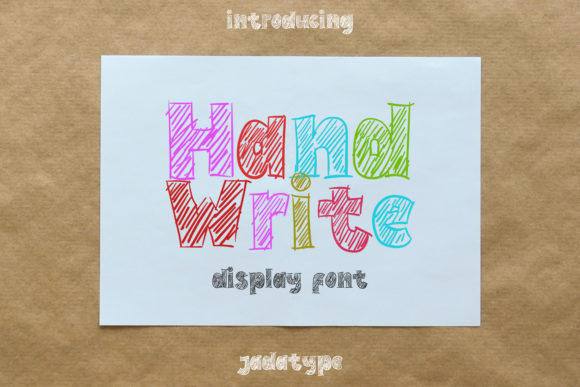
When you are designing for children, education, or playful branding, the right typeface does more than just convey text; it sets an emotional tone. Hand Write is a unique display font characterized by its cute, thick lettering and distinctively organic feel. It captures the charm of actual handwriting without the inconsistency that often plagues digital text. For creators, entrepreneurs, and educators looking to inject warmth and personality into their projects, understanding how to leverage this specific aesthetic can make a significant difference in engagement and readability.
However, simply downloading a "cute" font and slapping it on a poster is rarely enough. Many designers fall into the trap of overusing decorative typefaces, leading to cluttered layouts or poor legibility. To get the most out of Hand Write, you need to understand its strengths, its limitations, and the common pitfalls associated with using thick, display-oriented fonts in professional contexts.
Understanding the Appeal of Hand Write
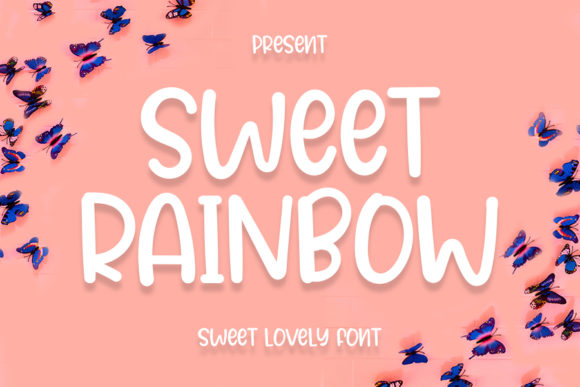
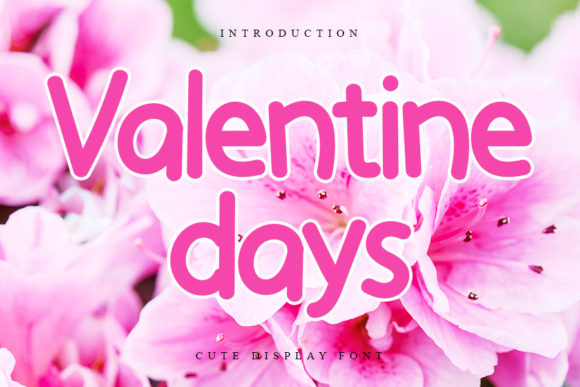
The primary reason designers gravitate toward Hand Write is its ability to humanize digital content. In a world dominated by sterile sans-serifs and rigid serifs, a font that mimics the natural pressure and flow of a marker or pen stands out. The thick strokes provide weight and presence, making headlines pop without requiring excessive sizing or bolding. This makes it particularly effective for:
- Children’s Educational Materials: The rounded, sturdy letters are easy for early readers to decipher while remaining visually engaging.
- Bright and Playful Branding: When paired with vibrant colors, the font amplifies the sense of fun and creativity, perfect for toy brands, party invitations, or craft supplies.
- Social Media Graphics: On platforms like Instagram or Pinterest, where visual impact is immediate, the unique shape of Hand Write helps content stop the scroll.
Unlike standard cursive fonts that can become illegible at smaller sizes, Hand Write maintains clarity due to its structured, block-like nature. It strikes a balance between professionalism and whimsy, allowing small business owners and freelancers to maintain a brand voice that feels approachable yet intentional.
Common Mistakes When Using Decorative Fonts
While Hand Write is versatile, it is not a one-size-fits-all solution. One of the most frequent errors I see from both beginners and experienced designers is treating decorative fonts as body text. Because Hand Write has such strong character, using it for long paragraphs creates visual fatigue. The thick lines crowd together, reducing contrast and making reading difficult. If you attempt to write a full paragraph in Hand Write, your audience will likely skim past it or abandon the content entirely.
Another critical oversight is ignoring color contrast. Since Hand Write is designed to be combined with bright colors, there is a temptation to pair it with equally bright backgrounds. This results in low visibility and accessibility issues. A neon yellow background with white thick lettering might look trendy but fails the basic test of usability. Always ensure that the text remains distinguishable from its background, especially when targeting diverse audiences including those with visual impairments.
Furthermore, many users underestimate the importance of pairing. A font as distinctive as Hand Write needs a complementary typeface. Using two different decorative fonts together—such as pairing Hand Write with another bubbly or script font—creates chaos rather than harmony. The design loses hierarchy, and the message becomes diluted. Instead, opt for a clean, neutral sans-serif or serif for secondary information. This contrast allows Hand Write to shine as the focal point while ensuring the rest of the content remains readable.
Overlooking Licensing and Usage Rights
Before incorporating Hand Write into any commercial project, it is essential to verify the licensing terms. Some fonts are free for personal use only, meaning you cannot use them on products you sell, such as t-shirts, mugs, or digital courses. Misunderstanding these rights can lead to legal issues and financial penalties. Always check whether the license covers commercial usage, print runs, and digital distribution. Investing in a proper commercial license ensures peace of mind and supports the type designer, fostering a healthy creative ecosystem.
Best Practices for Implementation
To maximize the effectiveness of Hand Write, consider these practical strategies for integration into your designs.
- Use for Headlines and Short Text Only: Reserve the font for titles, subtitles, buttons, or short phrases. Let it grab attention, then switch to a highly readable font for detailed information.
- Experiment with Spacing: Thick letters can feel cramped if tracking (letter-spacing) is too tight. Slightly increasing the space between characters can enhance the airy, friendly vibe of the font and improve legibility.
- Balance with Negative Space: Give the font room to breathe. Avoid filling every corner of your layout. Ample white space around Hand Write emphasizes its unique shape and prevents the design from feeling heavy or overwhelming.
- Test in Black and White First: Before adding bright colors, preview your design in grayscale. If the text is hard to read in black and white, it will struggle in color. This step ensures that the form and weight of the font are working effectively.
Evaluating Hand Write for Your Specific Needs
Not every project requires a display font. If you are designing a technical manual, a corporate report, or a minimalist website interface, Hand Write may clash with the desired tone. It is crucial to align your typography choices with your brand identity and audience expectations. Ask yourself: Does my audience expect playfulness and warmth? Or do they prioritize efficiency and neutrality?
For educators creating worksheets, the answer is likely yes. For a law firm’s client portal, the answer is no. By being selective about when and where you use Hand Write, you ensure that your design decisions support your communication goals rather than hinder them. Take time to mock up different scenarios. Print out samples to see how the thick strokes render on paper versus screen. Small adjustments in size or color can dramatically alter the final perception of your work.
Conclusion
Hand Write offers a delightful way to bring personality and structure to your designs. By avoiding common mistakes like overuse, poor pairing, and licensing oversights, you can harness its full potential. Remember that good design is about balance. Let Hand Write be the star of the show for key messages, while supporting cast fonts handle the details. With thoughtful application, this cute, thick lettered font can elevate your projects, making them memorable, accessible, and professionally polished.